10 Best Portfolio Website Builders (2026)
 Marcel Cruz
A bad portfolio costs you jobs. Not in the abstract. A client lands on your page, sees a clunky template with stock-photo energy, and closes the tab in under three seconds. They never reach out. You never know they existed.
The portfolio builder you pick determines how your work gets seen. Some tools are built for visual creatives who need full-bleed image galleries. Others are glorified link lists. A few are so powerful they require a learning curve that'll eat your weekend.
We compared 10 portfolio builders across pricing, design quality, ease of use, and who they're actually built for. No filler. No "it depends on your needs" hedging. Just honest takes.
Quick Comparison
| Builder | Best For | Starting Price | Free Plan | Custom Domain | Standout Feature |
|---|---|---|---|---|---|
| Squarespace | Photographers, designers | $16/mo | 14-day trial | ✅ | Award-winning templates |
| Webflow | Developers, design-savvy | $14/mo | ✅ (limited) | ✅ | Full CSS-level control |
| Format | Photographers | $10/mo | 14-day trial | ✅ | Client proofing + Lightroom sync |
| Cargo | Artists, avant-garde designers | $14/mo | ✅ (build only) | ✅ | Unique editorial layouts |
| Pixpa | Photographers + ecommerce | $6/mo | 15-day trial | ✅ | Built-in galleries + store |
| Wix | Beginners, general use | $17/mo | ✅ | ✅ (paid) | 900+ templates, AI builder |
| Adobe Portfolio | CC subscribers | Included w/ CC | ✅ (w/ CC) | ✅ | Behance sync |
| Journo Portfolio | Writers, journalists | $5/mo | ✅ | Pro ($8/mo) | Article import + clipping |
| WordPress | Full control, bloggers | $4-25/mo (hosting) | Self-hosted | ✅ | Unlimited flexibility |
| Behance | Exposure + networking | Free (Pro: $9.99/mo) | ✅ | ❌ | Built-in creative community |
1. Squarespace: Best Overall for Creatives
If you ask ten designers which portfolio builder they'd recommend, at least six will say Squarespace. There's a reason it dominates creative portfolios: the templates actually look good out of the box.
Squarespace offers 150+ professionally designed templates, and the portfolio-specific ones are genuinely strong: clean grids, full-bleed images, smooth scroll effects. You don't need to fight the platform to make something that looks like you hired a designer.
Pricing: Basic $16/mo, Core $29/mo, Plus $39/mo (annual billing). 14-day free trial.
Best for: Photographers, illustrators, graphic designers, architects, anyone whose work is primarily visual and wants polish without effort.
Pros:
- Templates that are actually portfolio-first, not repurposed business themes
- Solid SEO tools and built-in analytics
- Ecommerce built in if you sell prints or digital work
- Responsive designs that look sharp on mobile
Cons:
- No free plan, only a 14-day trial
- Design flexibility has limits compared to Webflow
- Starts at $16/mo, which adds up if you're a student or early-career
- Can feel template-y if you don't customize enough
Verdict: The safe choice, and sometimes safe is smart. If you want a professional portfolio live this week without touching code, Squarespace is hard to beat.
2. Webflow: Best for Design Control Freaks
Webflow is what happens when a website builder and a design tool have a very ambitious baby. It gives you visual control down to the CSS level (flexbox, grid, custom animations, interactions), all without writing code. But you'll need to understand how CSS works conceptually.
The results speak for themselves: Webflow portfolios tend to stand out because they don't look like templates. You're building from scratch (or from a community template), and the ceiling is basically unlimited.
Pricing: Free (staging only), Basic $14/mo, CMS $23/mo, Business $39/mo (annual billing).
Best for: Web designers, UI/UX designers, front-end developers, people who understand layout and want pixel-perfect control.
Pros:
- Full visual CSS control: animations, interactions, custom layouts
- Free plan lets you build and prototype before paying
- CMS for case studies and blog posts
- Export code if you ever want to leave
Cons:
- Steep learning curve, not a weekend project for beginners
- Overkill if you just need a simple image gallery
- The free plan only works on a webflow.io subdomain
- Can get expensive with CMS and hosting add-ons
Verdict: The most powerful option on this list, but power comes with complexity. If you've got design chops and want your portfolio to be a portfolio piece itself, Webflow delivers.
3. Format: Best for Professional Photographers
Format was built specifically for photographers and visual artists, and it shows. The platform combines portfolio hosting with client-facing business tools: client galleries, proofing workflows, and direct Lightroom integration.
The templates are photography-first: think full-screen slideshows, masonry grids, and minimal layouts that let images breathe. It also includes a commission-free online store on every plan.
Pricing: Basic $10/mo, Pro $12/mo, Pro Plus $22/mo (annual billing). 14-day free trial.
Best for: Professional photographers who need both a portfolio and a client delivery system.
Pros:
- Lightroom integration syncs galleries directly from your editing workflow
- Client proofing and gallery delivery built in
- Commission-free store for selling prints
- Mobile app for portfolio management on the go
- Photography-focused templates that don't need much tweaking
Cons:
- Basic plan limits you to 70 high-res images and 10 pages
- Less flexible than Squarespace or Webflow for non-photography layouts
- Smaller template library compared to general-purpose builders
- $100/year for branded email is steep
Verdict: If you shoot for a living, Format handles the entire workflow from editing to client delivery. No other builder on this list integrates as deeply with a photographer's actual process.
4. Cargo: Best for Avant-Garde Creatives
Cargo is the cool kid of portfolio builders. It attracts artists, art directors, and designers who want their site to feel like an art piece, not a template. The layouts are unconventional: asymmetric grids, experimental typography, editorial-style compositions that you'd normally need to code by hand.
The platform has one price tier with no feature-gating, which is refreshing. You build for free, then pay when you're ready to go public.
Pricing: $14/mo (annual) or $19/mo (monthly). One plan, everything included. Free to build.
Best for: Artists, art directors, experimental designers, anyone whose aesthetic demands something outside the grid.
Pros:
- Unique, editorial-quality templates you won't find anywhere else
- One price, no tier confusion
- Direct CSS editing for fine-tuning
- Strong typography controls
- Free to build and preview before committing
Cons:
- Smaller community and fewer tutorials than Squarespace or Wix
- The unconventional layouts aren't for everyone (or every industry)
- Limited ecommerce compared to Squarespace or Pixpa
- Not ideal for content-heavy portfolios or blogs
Verdict: If your portfolio needs to make an art director stop scrolling, Cargo is the only builder on this list designed for that energy. Not the most practical choice, but the most distinctive.
5. Pixpa: Best Budget Option for Photographers
Pixpa hits a sweet spot: photographer-focused features at prices that don't make you wince. Starting at $6/month, it includes portfolio galleries, a built-in online store with no transaction fees, client proofing, and a blog, all on a single platform.
The templates are clean and photography-focused, though they don't reach the design heights of Squarespace or Cargo. For the price, that's a fair trade.
Pricing: Basic $6/mo, Creator $10/mo, Professional $14/mo, Advanced $20/mo (annual billing). 15-day free trial.
Best for: Photographers and visual artists on a budget who need a portfolio + store in one place.
Pros:
- Starting price of $6/mo is hard to beat
- No transaction fees on store sales
- Client proofing and gallery sharing built in
- Blog, store, and portfolio under one roof
- Good customer support (mentioned consistently in reviews)
Cons:
- Design flexibility is limited compared to Squarespace or Webflow
- Templates look solid but not groundbreaking
- Basic plan is quite restricted (3 pages, 200 images)
- No free plan (trial only)
Verdict: Best bang for buck if you're a photographer who needs portfolio + ecommerce without paying Squarespace prices. It won't win design awards, but it'll get you a professional site for the cost of two coffees a month.
6. Wix: Best for Beginners
Wix is the Swiss Army knife of website builders. With 900+ templates and a drag-and-drop editor that genuinely anyone can use, it's the default recommendation for people building their first portfolio. The AI builder can generate a starting point from a few prompts, and from there you customize.
The portfolio-specific templates exist, but Wix isn't portfolio-first. You'll spend more time customizing than you would on a dedicated portfolio builder like Format or Squarespace.
Pricing: Free (with Wix branding), Light $17/mo, Core $29/mo, Business $36/mo (annual billing).
Best for: Beginners, multi-purpose sites, creatives who need a portfolio + business site in one.
Pros:
- Genuinely easy drag-and-drop editor
- Huge template library
- Free plan available (with Wix branding and ads)
- AI website builder for quick starts
- App marketplace for adding functionality
Cons:
- Free plan shows Wix ads and branding (not professional)
- Templates aren't portfolio-optimized like Squarespace or Format
- Can't switch templates after building (you start over)
- Paid plans start at $17/mo for just the Light tier
- Sites can load slowly if you add too many elements
Verdict: If you're building your first portfolio and need hand-holding, Wix works. But if you're specifically looking for a portfolio tool, you'll get better results from a builder designed for that purpose.
Build Your Page in Minutes
Drag-and-drop editor with 18 content blocks, per-block styling, and custom themes.
Create your page7. Adobe Portfolio: Best for Creative Cloud Users
Here's the deal with Adobe Portfolio: it's included free with any Creative Cloud subscription. If you're already paying Adobe $55+/month for Photoshop, Illustrator, or the full suite, you get a portfolio site at no extra cost. That alone makes it worth considering.
It syncs directly with Behance, so any project you publish there can automatically appear on your Adobe Portfolio site. The builder is simple: grid layouts, clean typography, minimal customization. It won't wow anyone with design flexibility, but it gets a professional portfolio online fast.
Pricing: Included with any Creative Cloud plan (Photography Plan starts at ~$10/mo).
Best for: Anyone already paying for Creative Cloud who wants a quick, clean portfolio without another subscription.
Pros:
- No additional cost for CC subscribers
- Direct Behance integration keeps your portfolio automatically updated
- Clean, minimal templates
- Custom domain support
- SSL included
Cons:
- Very limited design customization: basic grid layouts, no advanced interactions
- No ecommerce or client proofing
- Template selection is small compared to every other builder here
- Not a standalone product (requires CC subscription)
- If you cancel Creative Cloud, your portfolio goes dark
Verdict: It's free if you're already in the Adobe ecosystem, and that's its entire value proposition. For a quick, clean portfolio with zero extra cost, it does the job. For anything more ambitious, look elsewhere.
8. Journo Portfolio: Best for Writers and Journalists
Most portfolio builders prioritize images. Journo Portfolio prioritizes text. It was built specifically for writers, journalists, and content creators who need to showcase articles, clips, and published work.
The standout feature is automatic article import: paste a URL and Journo Portfolio pulls in the article content, creates a backup, and displays it cleanly even if the original source goes offline. For freelance journalists whose published work lives on sites they don't control, this is genuinely useful.
Pricing: Free (10 items), Plus $5/mo, Pro $8/mo, Unlimited $14/mo (annual billing). 50% student discount.
Best for: Freelance writers, journalists, content marketers, copywriters.
Pros:
- Article import and backup: your clips survive even if the publisher's site dies
- Designed for text-based portfolios, not shoehorned image galleries
- Free plan is functional (10 portfolio items)
- Student discount (50% off first year)
- Privacy-friendly: no remarketing or data sharing with advertisers
Cons:
- Limited design customization (it's clean but basic)
- Not suitable for visual portfolios (photographers, designers)
- Custom domain requires the Pro plan ($8/mo)
- Smaller platform with fewer templates and integrations
Verdict: If you write for a living and need a home for your clips, Journo Portfolio does one thing and does it well. It's not trying to be Squarespace, and that focus is its strength.
9. WordPress: Best for Full Control
WordPress powers 40%+ of the web, and with the right theme, it makes a strong portfolio platform. The self-hosted version (wordpress.org) gives you unlimited flexibility: any design, any functionality, any integration. Portfolio themes like Flavor, Flavor, Flavor, or Flavor are built specifically for creatives.
The catch: WordPress requires more setup and maintenance than any other option on this list. You'll need hosting, a domain, a theme, and possibly plugins. It's not a sign-up-and-go situation.
Pricing: Free software, but hosting typically runs $4-25/mo. Themes range from free to $60+. Managed WordPress hosting (like WordPress.com) starts at $4/mo for basic, $8/mo for a custom domain.
Best for: Developers, bloggers, creatives who want full ownership and don't mind getting technical.
Pros:
- Total control over design, functionality, and hosting
- Massive plugin ecosystem (SEO, ecommerce, galleries, etc.)
- You own everything (no platform lock-in)
- Strong for SEO when configured properly
- Thousands of portfolio-specific themes
Cons:
- Requires technical knowledge or willingness to learn
- You handle security, updates, and backups
- Plugin conflicts are a real headache
- The quality gap between free and premium themes is massive
- Time investment is significantly higher than any hosted builder
Verdict: The most powerful and the most demanding. If you want zero compromises on design and functionality and you're comfortable with the tech, WordPress delivers. If "I just want it to work" is more your vibe, pick something else.
10. Behance: Best Free Portfolio Platform
Behance isn't a website builder. It's a portfolio platform and creative community. You don't get a standalone site with your own domain. What you get is a profile page on behance.net where you can showcase projects to a built-in audience of millions of creatives, recruiters, and creative directors.
For someone starting out who doesn't have the budget for a proper portfolio site, Behance is genuinely useful. It's where creative agencies look when sourcing talent, and projects can get featured and gain organic reach.
Pricing: Free. Behance Pro at $9.99/mo adds advanced analytics, password protection, project scheduling, and includes Adobe Portfolio.
Best for: Students, early-career creatives, anyone who wants exposure without paying for hosting.
Pros:
- Completely free with no catches
- Built-in audience of creative professionals and recruiters
- Projects can go viral within the Behance community
- Pro members see ~45% more views in their first month (Behance claims)
- Behance Pro includes Adobe Portfolio for a standalone site
Cons:
- No custom domain (you're on behance.net/yourname)
- You don't own the platform (Behance controls the experience)
- Profile pages all look similar, with limited differentiation
- Not a replacement for a standalone portfolio site
- Discovery depends on Behance's algorithm, not your SEO
Verdict: Behance is a career tool, not a website builder. Use it alongside your portfolio site for extra exposure, or use it as your starting point until you're ready to invest in your own domain. It shouldn't be your only portfolio, but it's a smart addition.
How to Choose Based on Your Creative Field
The "best" portfolio builder depends on what you actually create. Here's a decision framework:
Photographers:
- Budget option: Pixpa ($6/mo), galleries, store, client proofing
- Professional option: Format ($10/mo), Lightroom sync, client workflows
- Premium option: Squarespace ($16/mo), best-looking templates
Graphic Designers & Illustrators:
- Quick setup: Squarespace, beautiful templates, minimal effort
- Maximum control: Webflow, build exactly what you envision
- On a budget: Behance (free) + Adobe Portfolio (with CC subscription)
Web & UX Designers:
- Only real choice: Webflow, your portfolio demonstrates your design skills
- Quick alternative: Cargo, editorial layouts that stand out
Writers & Journalists:
- Purpose-built: Journo Portfolio, article import, text-first design
- Blog-heavy: WordPress, full blogging platform with portfolio themes
Artists & Art Directors:
- Make a statement: Cargo, unconventional gallery-worthy layouts
- Community exposure: Behance, reach other creatives and recruiters
Students & Early Career:
- Start free: Behance, build your portfolio, get exposure, pay nothing
- Level up: Squarespace or Pixpa when you're ready to invest
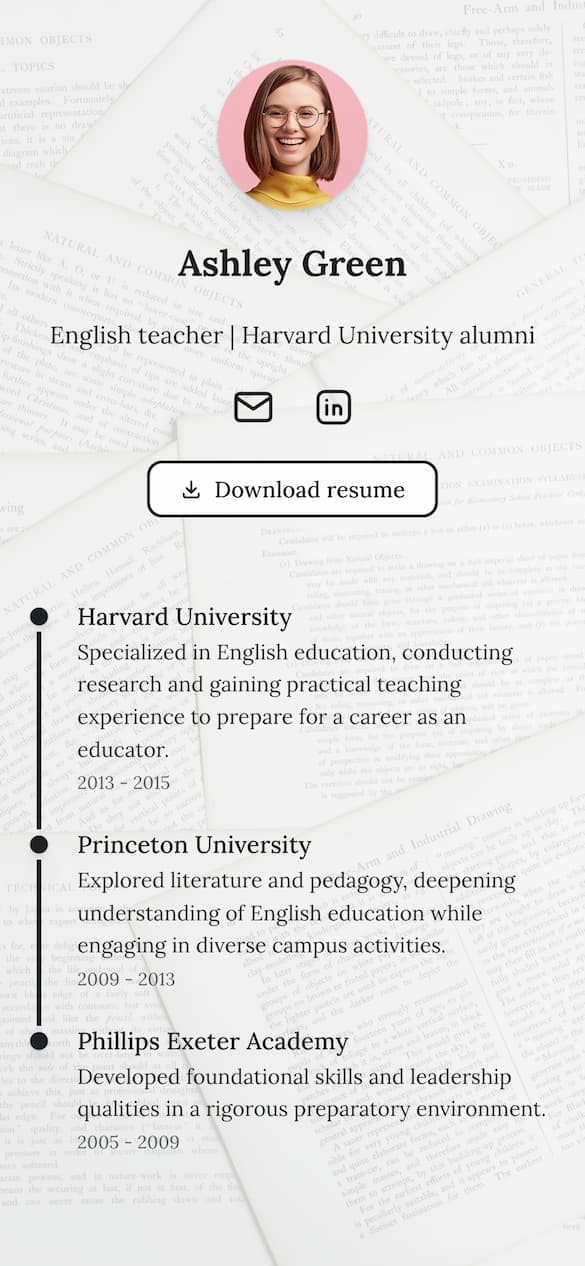
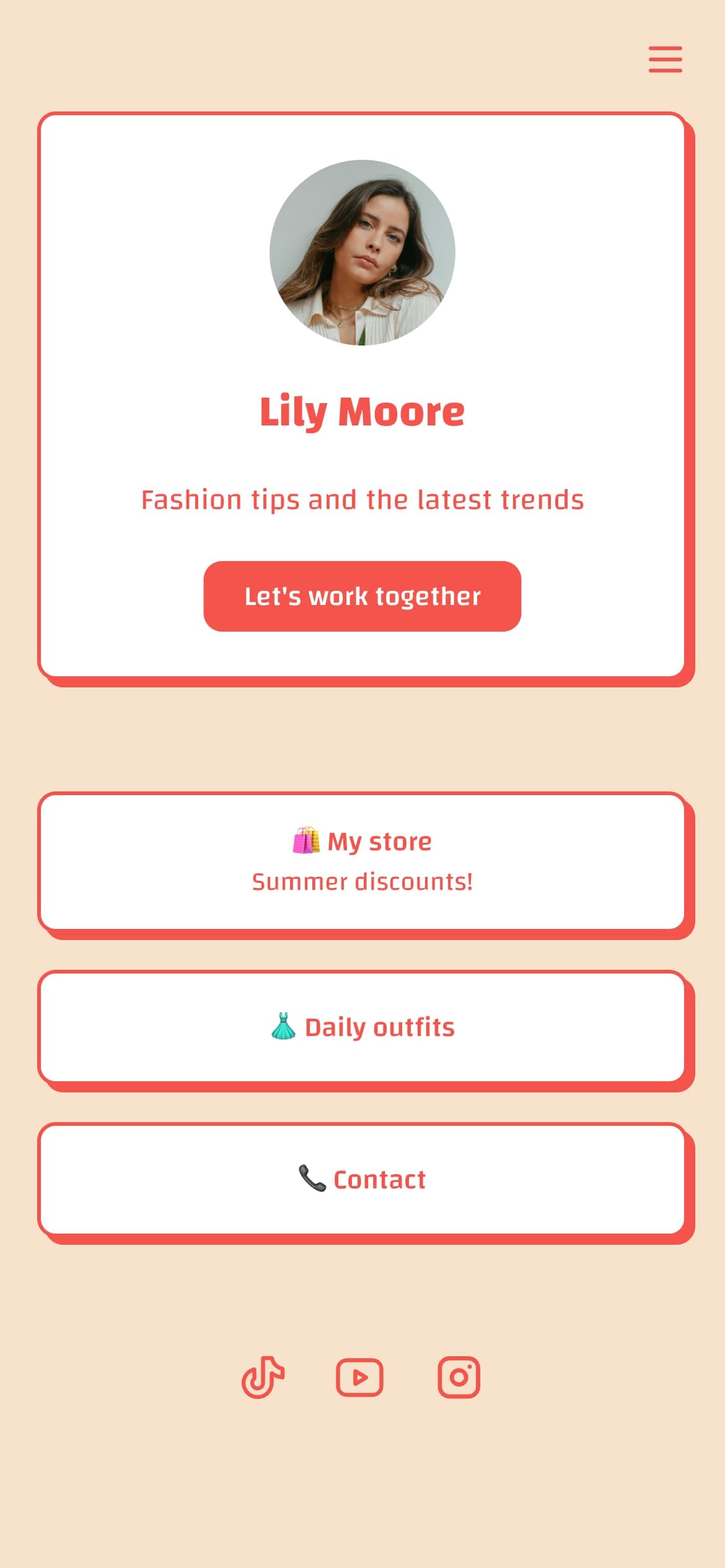
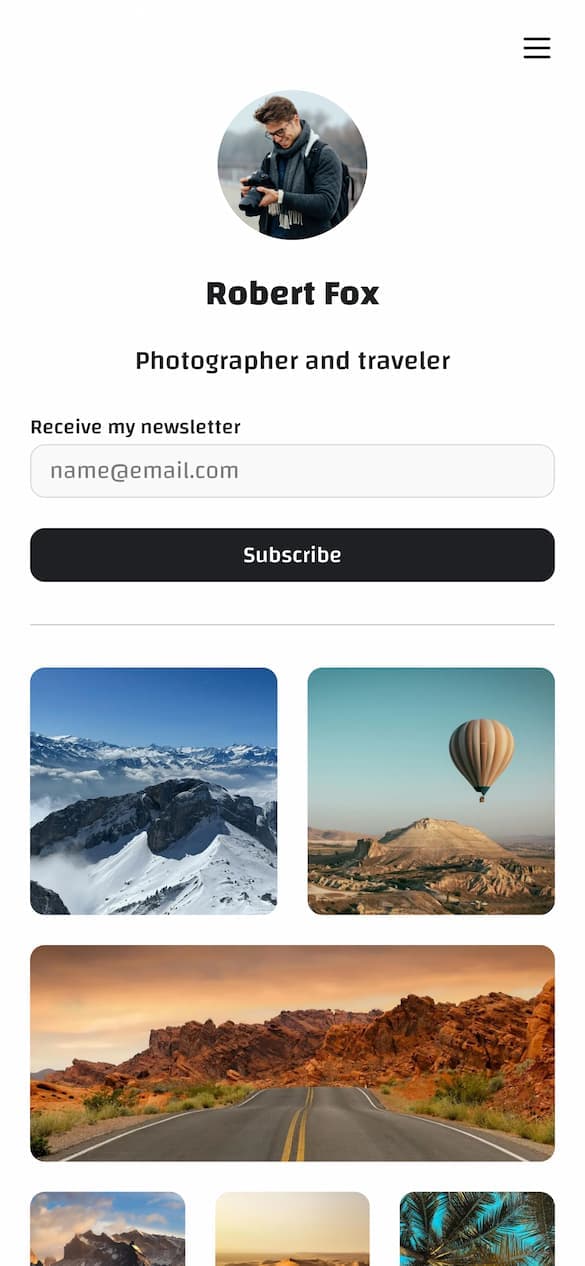
Need a bio-link portfolio instead? If you don't need a full website (maybe you just want a clean page that showcases your work, links, and social profiles), a link-in-bio tool like Linkero can work as a lightweight portfolio. You get drag-and-drop blocks for images, embeds, testimonials, and social links in a single-page format. It's not a replacement for a full portfolio site, but for creatives who live on social media, it's a fast way to give followers a hub for your work.
FAQ
What is the best free portfolio website builder?
Behance is the best truly free option, with unlimited projects, a built-in audience, and no payment required. Wix and Journo Portfolio also offer free plans, but with significant limitations (branding, storage caps). For the best free website builder experience, Webflow's free plan lets you build and prototype on a staging subdomain.
Do I need a portfolio website or is Behance enough?
Both. Behance gives you community exposure and is where many recruiters and creative directors browse talent. But you don't control it: the design is uniform, there's no custom domain, and Behance's algorithm decides your visibility. A standalone portfolio site gives you complete control over branding, SEO, and the visitor experience. Use Behance alongside your own site, not instead of it.
Which portfolio builder is best for photographers?
Format for professional photographers who need client workflows (proofing, galleries, Lightroom integration). Pixpa for budget-friendly portfolios with ecommerce. Squarespace for the best-looking portfolio with minimal effort. Each serves a different priority: workflow, budget, or design.
How much should I spend on a portfolio website?
For most creatives, $10-20/month gets you a professional portfolio with a custom domain. Students can start free on Behance or Journo Portfolio (50% student discount). If you already pay for Creative Cloud, Adobe Portfolio costs nothing extra. Avoid overspending on features you won't use. The priority is clean design and reliable hosting.
Can I use a link-in-bio tool as a portfolio?
For a lightweight portfolio, yes. Tools like Linkero let you create a single-page showcase with image blocks, social embeds, testimonials, and links. It works well for social-first creatives who need a quick hub for their work. For a comprehensive portfolio with case studies, multiple gallery pages, and client-facing features, you'll want a dedicated portfolio builder.
What should a portfolio website include?
At minimum: your best work (curated, not everything), a brief about page, contact information, and links to your social profiles. Photographers should include pricing or a "hire me" page. Designers should include case studies, not just final images. Writers should include links to published clips. The common mistake is showing too much. Edit ruthlessly.
Build Your Page in Minutes
Drag-and-drop editor with 18 content blocks, per-block styling, and custom themes.
Create your page