Content Optimization Strategies That Work
 Marcel Cruz
The average Instagram post reaches 3.5% of your followers. On Facebook, it's 1.65%. That means over 96% of the audience you already built never sees what you post.
Content optimization strategies fix that. Not by gaming algorithms, but by making every piece of content (your bio, your profiles, your posts, your links) work harder than it currently does. Most creators publish and hope. The ones who grow consistently optimize what they already have before creating more.
This guide covers 9 specific strategies you can apply today. No abstract frameworks. No "create high-quality content" advice. Just tactics that move numbers.
What Content Optimization Actually Means
Content optimization is the process of improving existing content so it performs better: more reach, more clicks, more conversions. It applies to everything you publish: social posts, profile bios, bio link pages, blog articles, and video descriptions.
The distinction matters because most advice conflates "content creation" with "content optimization." Creation is making new stuff. Optimization is making existing stuff work better. And optimization almost always has a higher ROI because you're improving assets that already exist instead of building from scratch.
Content repurposing strategies alone improve ROI by 32% on average. That's not a small bump. It's a third more return from the same effort.
1. Optimize Your Bio Link Page
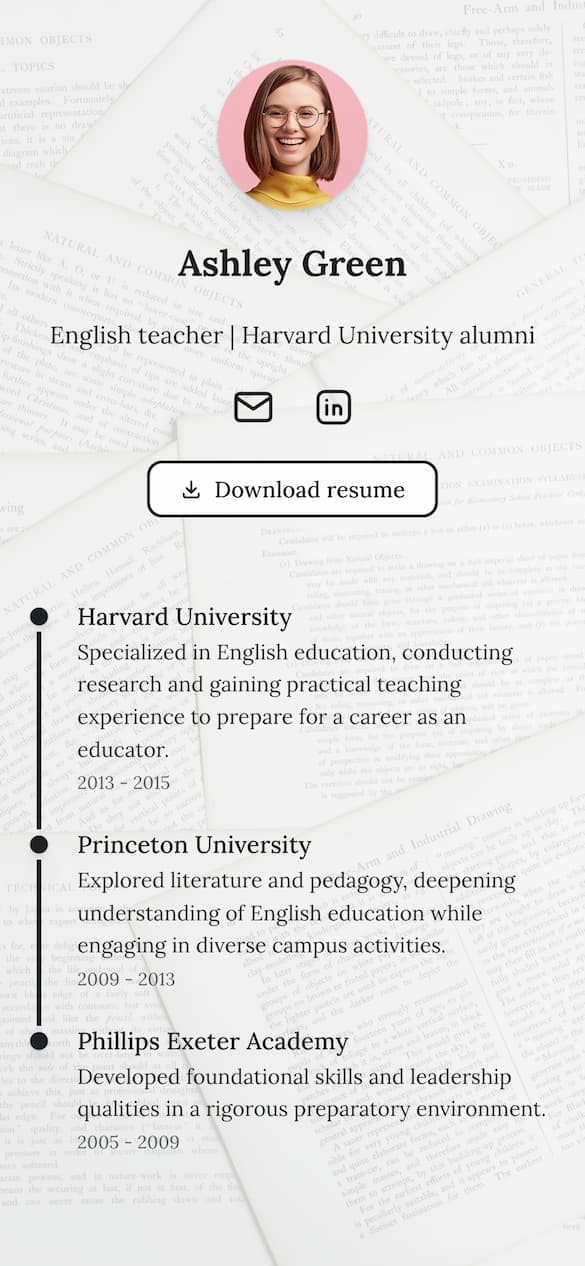
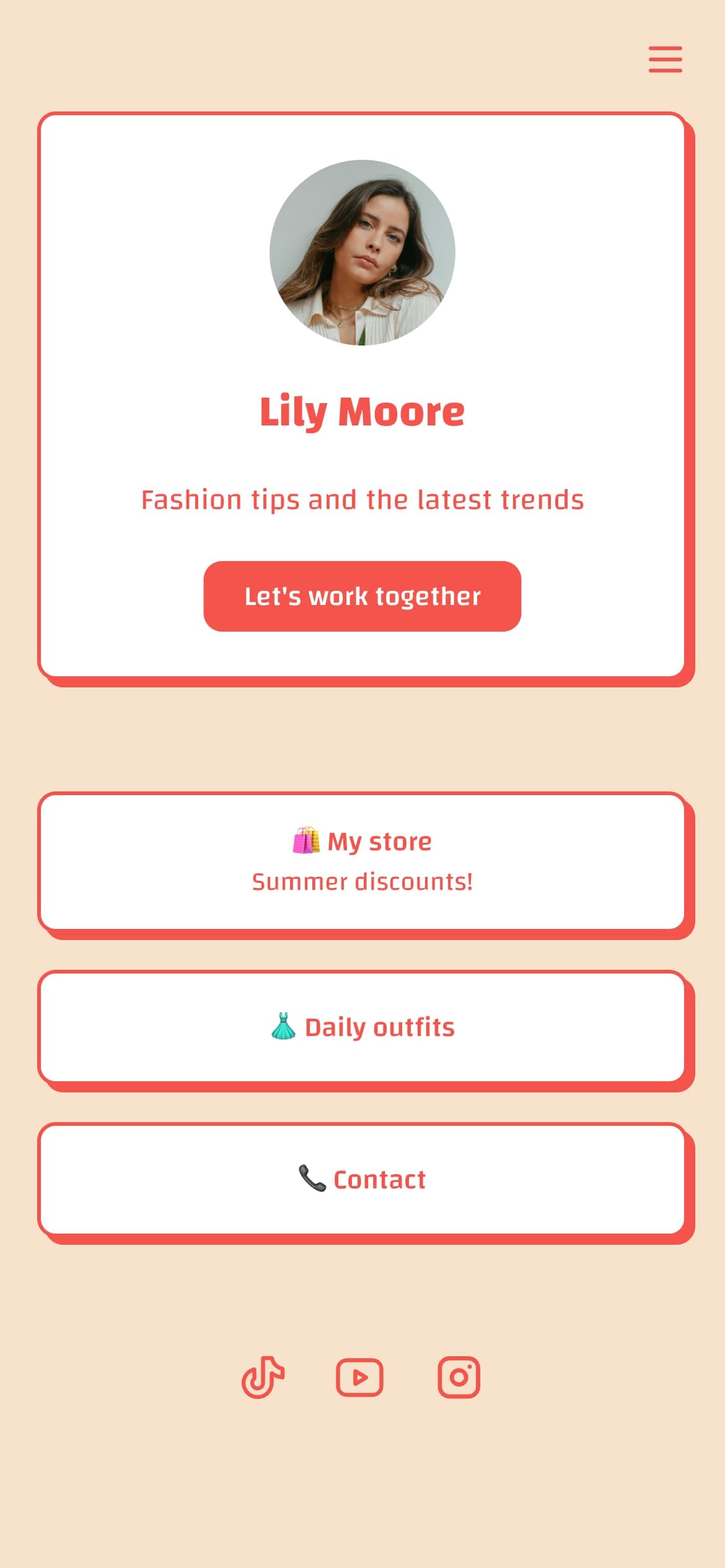
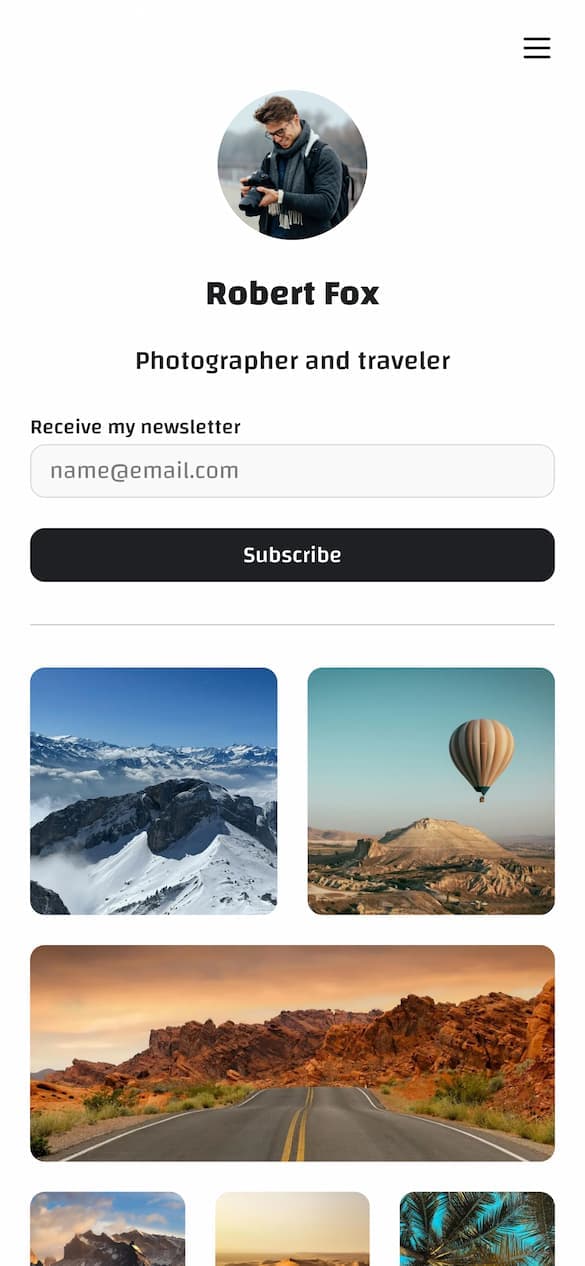
Your bio link is the bottleneck between your social audience and everything else: your website, products, newsletter, and latest content. According to Flick's data, about 5 out of every 100 Instagram profile visitors click the bio link. That means 95% bounce.
Here's how to push that number up:
- Lead with your highest-value link. Whatever you're actively promoting goes first, specifically the thing you want clicks on right now.
- Use descriptive button text. "My Website" tells nobody anything. "Get the Free Social Media Calendar" gives them a reason to click.
- Limit choices. Pages with 15+ links suffer from decision paralysis. Keep it to 5-7 active links and rotate based on what you're promoting.
- Add social proof. A testimonial block, subscriber count, or "featured in" logos build instant credibility before the click.
- Match your brand. A generic-looking bio page signals "I didn't care enough to customize this." Custom colors, fonts, and a real profile photo make a difference.
If your current bio link page is a plain list of URLs, you're leaving clicks on the table. Tools that let you build a proper landing page (with forms, testimonials, embeds, and drag-and-drop layout) outperform basic link lists because they give visitors a reason to stay and click.
2. Optimize Your Social Profiles Across Platforms
Your profile is a landing page that most creators treat as an afterthought. Every platform indexes profile content differently, and each one rewards optimization.
Instagram: The algorithm now indexes keywords in your bio, name field, and captions. If you're a fitness coach, your name field should say "Sarah | Fitness Coach for Busy Moms," not just "Sarah." Instagram uses this text for search discovery. Add relevant keywords to your bio without making it read like a keyword dump.
TikTok: Your bio is capped at 80 characters. Use it for one clear CTA, not a life story. "Free workout plans ⬇️" beats "Fitness | Travel | Dog Mom | DM for collabs ✨." The bio link is everything on TikTok, so make sure it loads fast and works on mobile.
LinkedIn: Your headline gets indexed by Google, not just LinkedIn search. "Marketing Director at Acme Corp" is fine for your employer. "Marketing Director | B2B Content Strategy | Growing SaaS brands from $1M to $10M ARR" is better for your audience.
YouTube: Your channel description is SEO real estate. Include keywords your audience searches for. Most creators write two sentences and call it done. Use the full 1,000-character limit.
For more examples across platforms, check out our guide on social media profile examples that actually convert.
3. Repurpose Instead of Creating From Scratch
One good piece of content can fuel a week of posting across platforms. The creators who look like they're everywhere aren't working 10x harder. They're repurposing strategically.
Here's a practical repurposing workflow:
- Start with a long-form piece: a blog post, YouTube video, or podcast episode
- Pull 3-5 standalone insights: stats, quotes, hot takes, tips
- Turn each into a native social post: a carousel for Instagram, a text post for LinkedIn, a short-form clip for TikTok/Reels
- Reformat the original: a blog post becomes a newsletter, a YouTube script becomes a Twitter thread
- Schedule across the week: one long-form effort produces 7-10 pieces of content
This isn't about copy-pasting the same thing everywhere. Each platform has its own format and audience expectations. The key is extracting the core insight and repackaging it for each context.
A single research report can yield 20-30 different social posts, each highlighting a different data point with your perspective.
4. Nail the First 3 Seconds of Every Post
Organic reach on social media is in the single digits. Hootsuite's data shows most platforms now deliver your posts to 3-5% of followers. The algorithm decides whether to push your content further based on early engagement, and that decision happens in the first few seconds.
What works for hooks:
- Open with the payoff, not the setup. "I grew my email list by 2,000 subscribers using one free tool" beats "I want to share something about email marketing."
- Use pattern interrupts. A bold statement, a surprising stat, or a direct question stops the scroll.
- Front-load value in captions. Instagram and LinkedIn truncate after 2-3 lines. Your best line needs to land before "...more."
Test different hooks on the same content. Same tip, three different opening lines, posted across three days. Track which one gets more engagement. This is cheap A/B testing that most creators ignore.
5. Use Analytics to Stop Guessing
Most creators check likes and followers. That tells you almost nothing about what's actually working. Here's what to track instead:
- Profile visits → bio link clicks: This ratio tells you if your profile converts visitors into action. Track it weekly.
- Save rate: On Instagram, saves signal high-value content. Posts with high save rates get pushed to Explore. Track which content types get saved.
- Click-through rate on your bio link page: Which links get clicked? Which get ignored? If nobody clicks your third link, remove it or reposition it.
- Traffic sources: Where are your bio link visitors coming from? Instagram Stories? TikTok bio? Direct? This tells you where to double down.
Set up Google Analytics on your bio link page. Use UTM parameters on the links so you can see exactly which social platform drives which actions on your website.
If you're running any kind of paid promotion or want to track ad conversions through your bio link, pixel tracking (Facebook Pixel, TikTok Pixel) is non-negotiable. Most free bio link tools don't support this, so it's worth paying for a tool that does.
Track What Actually Works
Built-in analytics plus Google Analytics, Facebook Pixel, and TikTok Pixel integration. See exactly where your clicks come from.
Create your page6. A/B Test Your Content (For Free)
You don't need expensive testing tools. Social media is a built-in testing platform if you use it right.
Test headlines and hooks: Post the same content idea with different hooks on different days. Compare engagement. The winning hook style informs your next 10 posts.
Test bio link layouts: Swap the order of your links every two weeks. Track which arrangement drives more total clicks. Most people put their links in the order they added them, not the order that converts best.
Test posting times: Track your engagement by hour and day of week for a month. You'll find patterns. Some audiences are most active at 7am. Others engage more at 9pm. The "best time to post" advice online is based on averages. Your audience is specific.
Test CTAs: "Download the free guide" vs. "Get the guide" vs. "Grab your copy." Small changes in call-to-action copy can shift click-through rates by 20%+ according to SQ Magazine's analysis.
The key to useful A/B testing: change one thing at a time and give it enough data to mean something. Two posts isn't a test. It's a coin flip.
7. Optimize Visual Content for Each Platform
Every platform has different ideal dimensions, and posting the wrong size means your content gets cropped, compressed, or buried.
Quick reference for 2026:
| Platform | Feed Post | Stories/Reels | Profile Photo |
|---|---|---|---|
| 1080×1350px (4:5) | 1080×1920px (9:16) | 320×320px | |
| TikTok | 1080×1920px (9:16) | 1080×1920px (9:16) | 200×200px |
| 1200×627px | N/A | 400×400px | |
| YouTube | 1280×720px (thumbnail) | 1080×1920px (Shorts) | 800×800px |
Beyond dimensions:
- Use text overlays on video thumbnails. YouTube thumbnails with text get 30-40% higher CTR than thumbnails without.
- Maintain visual consistency. Use the same 2-3 brand colors and font across platforms. When someone sees your post in a feed of 50 others, they should recognize it as yours before reading a word.
- Compress images properly. A 5MB hero image on your bio link page kills mobile load time. Use WebP format and keep images under 200KB.
8. SEO for Creators (The Basics That Matter)
SEO isn't just for bloggers. Every creator who publishes content online benefits from basic search optimization.
YouTube SEO: Your video title, description, and tags determine who finds your content through search. YouTube is the world's second-largest search engine. Include your target phrase in the first 60 characters of your title and first line of your description.
Pinterest SEO: Pin descriptions and board names are indexed. Pinterest functions more like a search engine than a social network. Treat it accordingly.
Blog/website SEO: If you have a website or blog, optimize your page titles (under 60 characters), write meta descriptions (120-160 characters), use headers to structure content, and make sure your site loads fast on mobile. These fundamentals alone put you ahead of most creator websites.
Bio page SEO: Your bio link page can rank in Google too. Use a custom domain (like links.yourbrand.com) instead of a generic subdomain. Add a page title and meta description. This is free organic traffic most creators don't even think about.
For a deeper dive, check out our personal branding guide which covers building your online presence from scratch.
9. Build a Content Feedback Loop
The best content optimization strategy isn't any single tactic. It's building a system that learns from itself.
Here's a simple monthly review process:
- Pull your top 5 performing posts from the last 30 days (by reach, saves, or clicks, pick one metric)
- Identify what they have in common: format? topic? hook style? posting time?
- Pull your bottom 5 and note what's different
- Update your content plan based on what you found
- Check your bio link analytics: are people clicking through? What's converting?
This 30-minute monthly review is worth more than any content strategy course. You're building optimization based on your actual audience data, not generic best practices written for someone else's audience.
Tools Worth Using
| Tool | What It Does | Cost |
|---|---|---|
| Google Analytics | Website and bio link traffic tracking | Free |
| Google Search Console | See what keywords you rank for | Free |
| Canva | Design social graphics and thumbnails | Free tier available |
| CapCut | Edit short-form video for TikTok/Reels | Free |
| Later | Schedule posts across platforms | Free tier available |
| Linkero | Bio link page with analytics and pixel tracking | Free tier available |
FAQ
What is content optimization?
Content optimization is improving existing content so it reaches more people and drives more action. It covers everything from tweaking your social media bio to restructuring a blog post for better search rankings. The goal is getting more results from content you've already created, not just creating more content.
How often should I optimize my content?
Review your analytics monthly and optimize based on what you find. Bio link pages should be updated whenever you have a new promotion or your priorities change. Social profiles should be reviewed quarterly. Blog posts benefit from annual refreshes with updated data and examples.
Does content optimization really affect reach?
Yes. Creators who A/B test their hooks and posting times consistently see 20-30% more engagement than those who post randomly. Bio link pages with clear CTAs and limited choices convert at 2-3x the rate of cluttered pages with 15+ links.
What's the most impactful optimization for creators?
Start with your bio link page and social profiles, the highest-leverage, lowest-effort optimizations. Every follower who visits your profile passes through your bio. If that bio and its link aren't optimized, you're leaking potential clicks, subscribers, and customers on every single post you publish.
How is content optimization different from content creation?
Creation is making new things. Optimization is making existing things perform better. Most creators spend 90% of their time creating and 10% optimizing. Flipping that ratio (even to 70/30) typically produces better results because you're compounding the value of content that already has an audience.
Create Your Link-in-Bio Page
All your content in one customizable page. 18 content blocks, custom domains, and built-in analytics.
Create your page