Link in Bio for Coaches and Consultants: Book More Calls
 Marcel Cruz
If you Google "link in bio for coaches," the entire first page is about athletic recruiting. Nobody has written the guide for actual coaches and consultants: the people charging $200 to $5,000 per session who need their bio page to do exactly one job, which is to turn an Instagram follower into a booked discovery call.
Your bio page should have three things, in this order: a booking link (Calendly, Cal.com, or similar), one lead magnet for visitors who aren't ready to book yet, and three short testimonials. Everything else is decoration. This guide walks through what to put on each block, what to leave off, and the small tweaks that lift discovery-call conversion from a flat list of social profiles to a sales page that runs while you sleep.
What Coaches and Consultants Actually Need from a Bio Page
Most bio-link tools were built for creators. Creators want to funnel followers across content surfaces (YouTube, podcast, Substack, TikTok) and pick up the occasional tip or affiliate click. Their bio page is a content directory.
Coaches and consultants have a different funnel. Every click on your bio link is potentially worth $200 to $5,000 in lifetime value, because one booked discovery call can convert into a $2,000 package, a $10,000 retainer, or a multi-month engagement. The math is brutal in the other direction: a bio page that buries the booking link or asks visitors to scroll past nine other CTAs is leaving real money on the table.
The good news is that this also makes the page easier to design. You don't need 12 blocks. You need three.
The Three Blocks Every Coach Bio Page Needs
1. Booking Link (Above the Fold)
This is the only block that absolutely must be visible without scrolling. Use a button block linking to your scheduler: Calendly, Cal.com, SavvyCal, or a native scheduler from a coaching CRM like Paperbell.
Be concrete about the offer in the button copy. "Book a free 30-minute discovery call" outperforms "Schedule a consultation" because it tells the visitor exactly how long the call is and that there's no charge. Specificity reduces the mental tax of clicking.
If you can embed the calendar inline so visitors pick a time without leaving the page, even better. Fewer clicks, fewer drop-offs.
2. Lead Magnet (For Visitors Not Ready to Book)
Most people who land on your bio page won't book today. They might in 60 days. The lead magnet captures their email so you can stay in their inbox until they're ready.
Pick one, and only one:
- A short PDF (5 to 10 pages, not a 60-page ebook nobody finishes)
- An audio masterclass or a single training video
- A self-assessment quiz that ends with a personalized result
- A weekly newsletter built around one specific positioning angle
Use a form block with email capture, deliver the file by email, and pipe new subscribers into a simple welcome sequence. The goal isn't list size, it's giving someone who isn't ready a reason to stay in touch.
3. Social Proof (Testimonials, Case Studies, Press)
Three short testimonials beat fifteen vague ones. Each testimonial should include a name, a job title or company, and a sentence about a specific outcome. "Sarah ran me through a 90-day plan that doubled my close rate" is worth ten "great experience, highly recommend" quotes stacked together.
If you've been featured in a publication or podcast that your audience knows, add a "Featured in" row with logos. Press credibility is fast trust.
Build Your Page in Minutes
Drag-and-drop editor with 18 content blocks, per-block styling, and custom themes.
Create your pageWhat NOT to Put on a Coach Bio Page
The temptation to add more is strong. Resist it. Every additional block dilutes the booking-link CTA.
Specifically, avoid:
- Eight different services with separate pages. Decision paralysis kills bookings. If you offer 1:1 coaching, group coaching, and an online course, link to the one that's most likely to convert this audience. The rest can live on a follow-up page after they book.
- A long bio paragraph. Your audience didn't come to read your origin story. One sentence about who you help and what outcome you deliver is enough.
- Stock photos. Use a real headshot. Coaching is sold on perceived trustworthiness, and stock photography signals the opposite.
- Multiple CTAs of equal weight. The booking link should be the visual hierarchy winner. If your "Free PDF" button is the same size and color as your "Book a Call" button, you're splitting intent for no reason.
Booking Tool Choices for Coaches
You don't need a fancy booking tool. You need one that integrates with your calendar and lets clients pick a time without back-and-forth.
The pragmatic shortlist:
- Calendly: the default in this market. Free tier covers basic scheduling, paid plans add buffer times, payment collection, and team scheduling.
- Cal.com: open-source, generous free tier, similar feature set, a bit more configurable.
- SavvyCal: slightly better UX for finding mutual times across calendars, paid only.
- Native scheduling inside coaching CRMs: Paperbell, CoachAccountable, and Practice include scheduling alongside contracts, intake forms, and payments. Worth it once you're juggling 20+ active clients.
For the first 18 months of a solo coaching practice, Calendly plus a bio page handles 95% of what a full CRM offers, at a fraction of the cost and complexity.
Coaching CRM vs Bio Page: Which Do You Need?
A coaching CRM bundles scheduling, intake forms, contracts, payment collection, session notes, and client portals. The pricing typically lands somewhere between basic productivity software and a full agency platform.
A bio page tool, by contrast, is a public-facing landing page. It's where strangers from Instagram, LinkedIn, or your podcast first meet your offer.
The question isn't "which one is better." They solve different problems. You need both eventually. The order matters:
- Start with a bio page to capture and convert traffic from social.
- Add a free Calendly to handle the scheduling layer.
- Add a CRM later, once admin overhead from contracts and intake forms exceeds the time it would take to set up an automated workflow.
Most solo coaches don't need a CRM until they're booking 20 to 30 calls a month. Below that, the spreadsheet you already have is fine.
What Makes a Coach Bio Page Convert (Layout Patterns)
The structural template that consistently outperforms one-off designs:
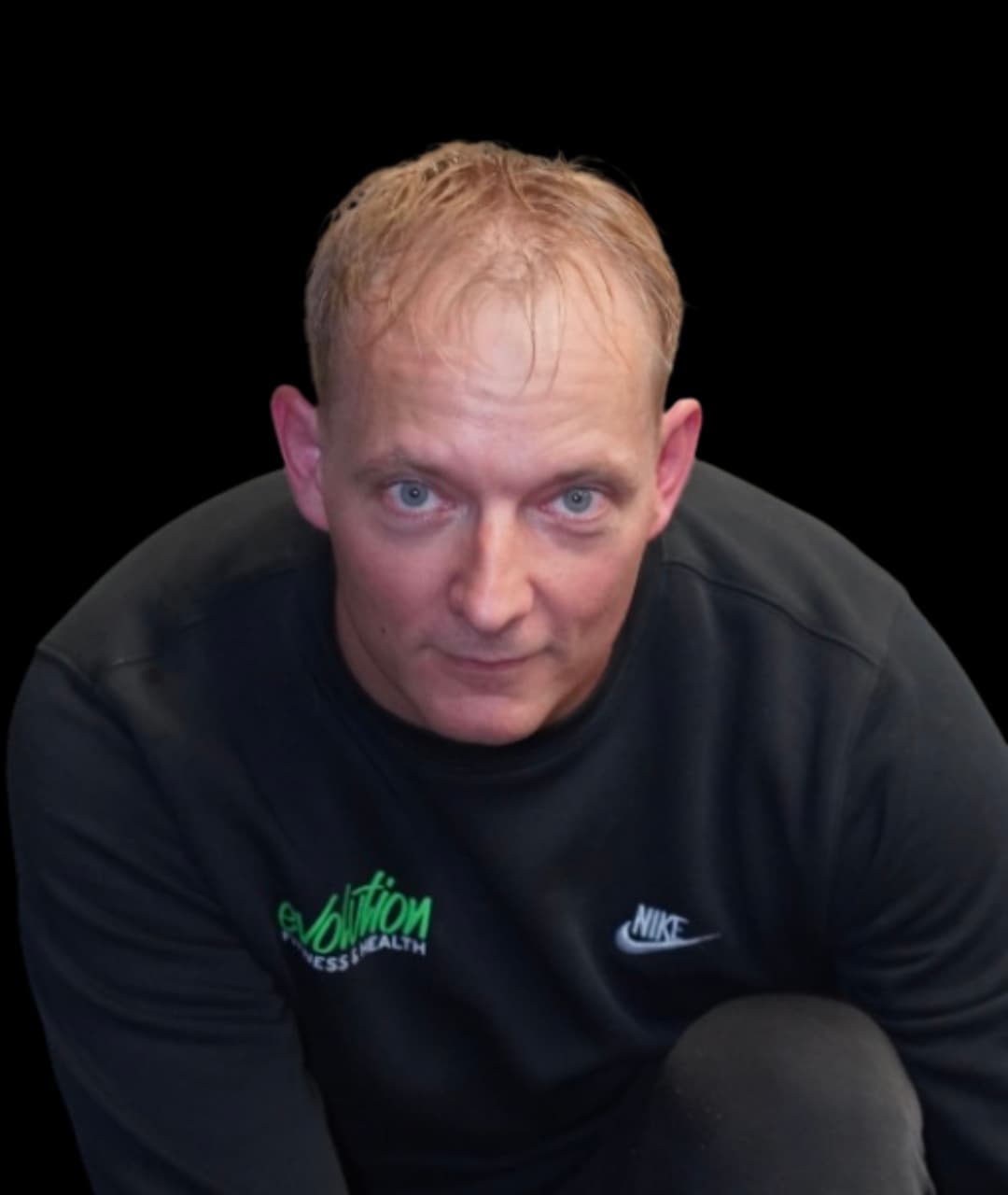
- Eye-catching headshot or hero image. Your face, not stock photography. A photo where you're looking at the camera builds trust faster than any copy you could write.
- One-sentence positioning. Format: "I help [audience] [achieve specific outcome] in [timeframe]." Example: "I help senior product managers transition into VP roles within 12 months." Specific beats clever every time.
- Booking CTA as the primary block. Larger button, contrasting color, above the fold.
- One lead magnet block with email capture.
- Three testimonials with names and concrete outcomes.
- Optional secondary blocks for podcast, YouTube, Instagram, LinkedIn, or your most recent article. Keep these visually subordinate.
Sequence matters. The eye lands on the booking button first, scans testimonials for credibility, picks up the lead magnet on the way out. If your blocks are ordered differently, you're forcing visitors to do the work of finding the offer. For more on the visual hierarchy that drives conversions, see the bio page design guide.
Tracking and Attribution for Coaches
Most coaches have no idea which Instagram post drives bookings. They post, hope, and check their calendar.
The fix is small and worth doing once:
- Add UTM tags to every link from a social profile to your bio page. UTMs let you see "Instagram bio drove three bookings this month, LinkedIn drove zero" inside any analytics tool.
- Track the path from bio click to booking link click to booked call to paid client. Each step should have a number attached.
- Review monthly. If 80% of your bookings come from one specific platform, you've found where your content effort should go.
Discovery-call to paid-client conversion typically runs 30 to 60% for warm bio-page traffic that's already consumed your content, versus 5 to 15% for cold paid ads. That's why a bio page beats running ads for most coaches in their first three years. The deeper version of this conversation lives in the bio page analytics guide, which covers exactly which metrics to track and how.
FAQ
What should a coach put in their Instagram bio?
A one-sentence positioning statement plus a single bio link. Skip the emoji ladder. Lead with who you help and what outcome you deliver, then point to a bio page that does the actual selling.
How do I add my Calendly link to my Instagram bio?
Instagram only allows one URL in the bio field, which is why you need a bio page in between. Add your bio page URL to Instagram, then put a Calendly button as the top block on that bio page. One link in Instagram leads to many destinations on your bio page.
What's the best link in bio for life coaches?
Look for a tool that supports button blocks for booking, form blocks for lead capture, testimonial blocks, and a custom domain so the URL feels professional. Avoid tools that lock essential features behind enterprise tiers. The comparison of bio link tools covers the main options side by side.
Do coaches need a website?
Eventually, yes. In year one or two, a bio page covers everything a basic coaching website would: positioning, services, social proof, and booking. By the time you need a full site for SEO, long-form content, or programs that don't fit on a single page, you'll already know.
Should I use Paperbell or a bio link page?
Both, in different layers. Paperbell handles client management once they've booked. A bio page handles the public-facing conversion before they book. New coaches should start with a bio page and a free scheduler, then layer in a CRM when admin time starts to bite.
How many links should a coach put in their bio?
Three primary blocks (booking, lead magnet, testimonials), plus two or three secondary links to content. More than that and you're hiding the offer.
How do I get more clients from my Instagram bio link?
Treat the bio page as a sales page, not a content directory. The booking button is the visual hierarchy winner, the testimonials are concrete and named, the lead magnet is one offer (not three), and your positioning statement is specific enough to pre-qualify the visitor.
Your Bio Page Has One Job
A coach bio page exists to turn discovery into a booked call. Three blocks (booking link, lead magnet, three testimonials), one primary CTA, no decoration. You don't need a CRM until you've outgrown the bio page, you don't need a website until you've outgrown the bio page, and you definitely don't need 14 different services on the same screen.
If you're a founder building a service business rather than a coaching practice, or a freelancer running a portfolio plus services hybrid, the framing shifts slightly toward credentials, case studies, and project samples. The underlying logic is the same: one page, one outcome, three blocks. For coaches working in the fitness space, the fitness-specific version of this playbook covers program drops, supplement affiliates, and Calendly bookings.
Create Your Link-in-Bio Page
All your content in one customizable page. 18 content blocks, custom domains, and built-in analytics.
Create your page